
What to eat, where to walk, and how to actually feel at home in the Eternal City
Rome is one of those cities that punishes the tourist and rewards the wanderer. If you approach it as a checklist — Colosseum, Vatican, Trevi Fountain — you will spend most of your time in queues, and you will leave having seen the city's most famous surfaces without touching anything underneath. But if you give Rome three or four days and let it pull you off the main roads, something extraordinary happens: the city starts to feel like yours.
Where to actually eat
Skip the restaurants within 200 metres of any major monument — the menus are laminated and the pasta is boiled in advance. Walk instead toward Testaccio, Rome's old working-class slaughterhouse district and arguably its best neighbourhood for food. Flavio al Velavevodetto is worth the detour for cacio e pepe alone. In Trastevere, Da Enzo al 29 on Via dei Vascellari has been doing Roman classics without compromise for decades. For a quick lunch, any alimentari that makes panini to order will outperform a tourist trattoria three times its price.
The Roman aperitivo hour (roughly 6–8pm) is a ritual worth building your afternoon around. Pigneto neighbourhood, east of the centre, has the best neighbourhood bar scene — less polished than Trastevere, entirely real.
Where to walk
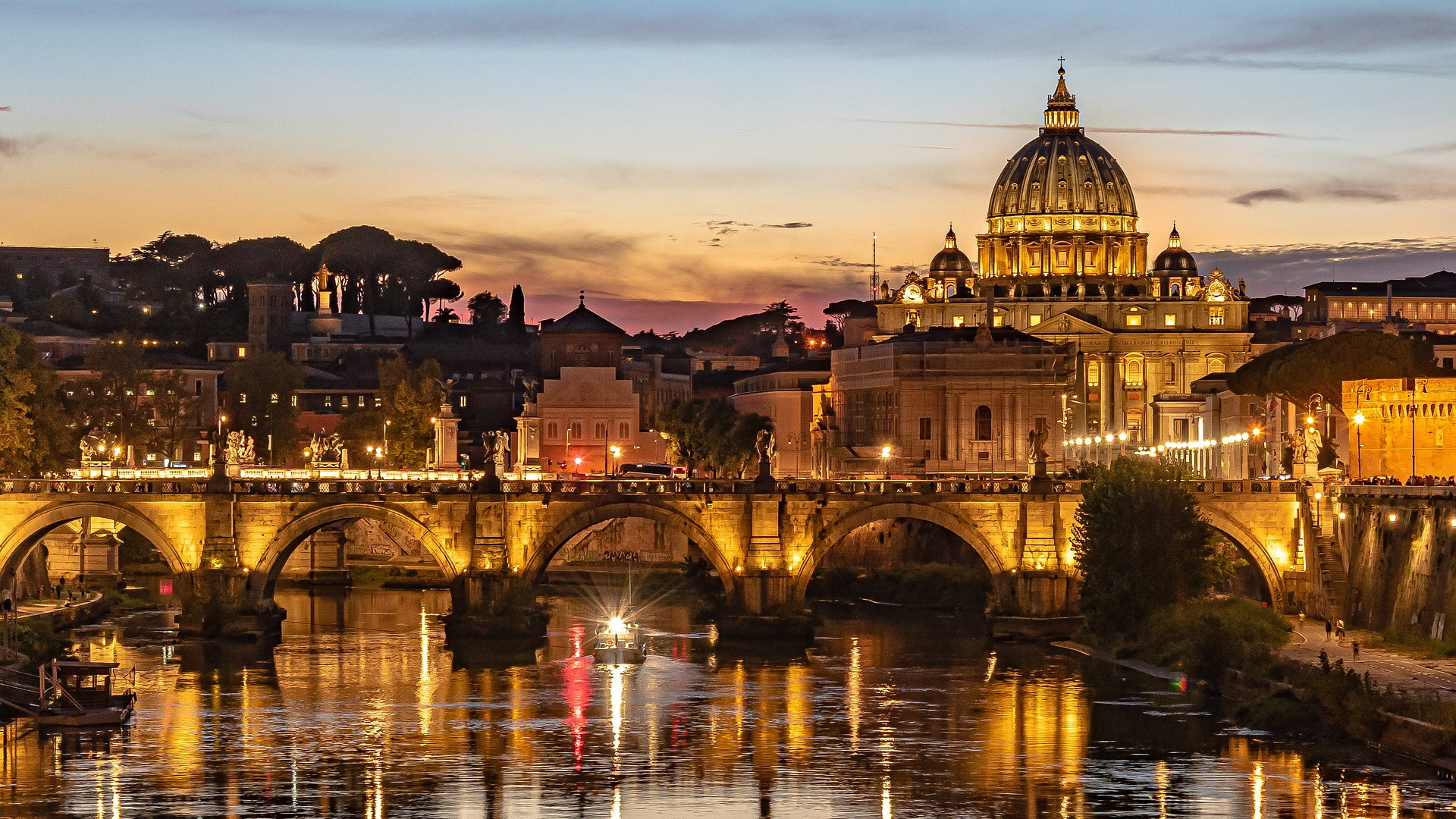
The Gianicolo hill gives you the best panoramic view of Rome and almost no crowds, even in peak season. The Aventine hill has the Knights of Malta keyhole — a perfectly framed view of St. Peter's dome through a garden gate — which requires no ticket, no reservation, and about 45 seconds of your time. The Jewish Quarter, between Campo de' Fiori and the Tiber, is one of Rome's oldest inhabited neighbourhoods and one of its most atmospheric for an early morning walk before the city wakes.
For a long afternoon, cross the river into Prati — the grid-planned neighbourhood north of the Vatican that locals actually live in. Wide boulevards, excellent coffee, no tour groups.
What most visitors miss
The Palazzo Doria Pamphilj on Via del Corso is one of Rome's greatest private art collections and almost always quiet. Velázquez's portrait of Pope Innocent X alone is worth the entry fee. The Capuchin Crypt beneath the Santa Maria della Concezione church on Via Veneto is genuinely strange and genuinely unmissable. The Mercato di Porta Portese flea market on Sunday mornings in Trastevere is the most Roman experience you can have without speaking Italian.
A practical note on timing
Rome in July and August is hot beyond comfort and crowded beyond patience. April, May, September, and October are the city's natural seasons — warm enough for long evenings outside, cool enough for walking. If you are visiting in summer, the city empties slightly in August as Romans leave for the coast, which paradoxically makes it a little more bearable.
Ready to find the right place to stay in Rome? NAWIGO matches you to independent hotels across the city based on your travel personality — not just price and stars.
