
The views are real. So are the crowds. Here is how to navigate both.
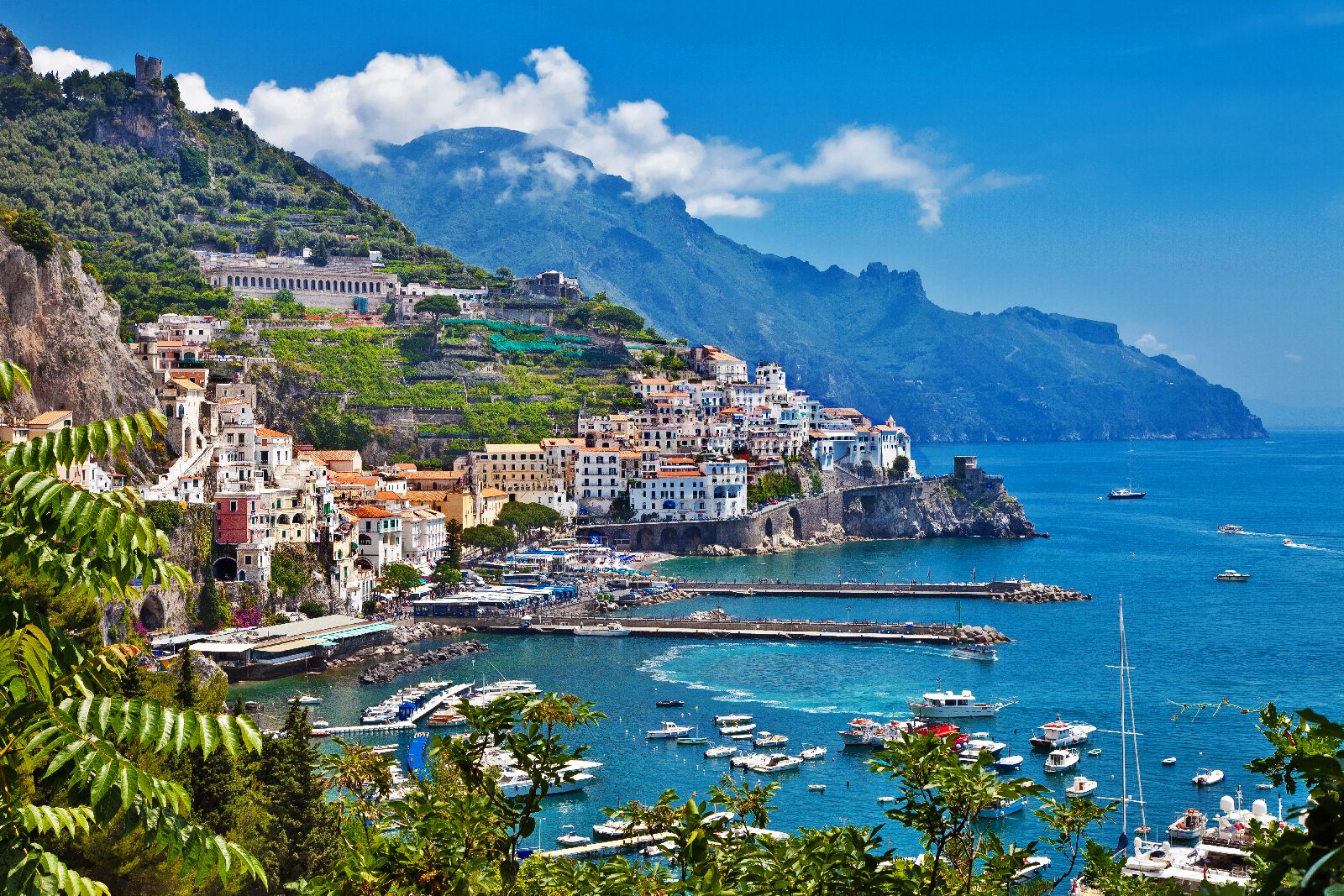
The Amalfi Coast is not overhyped. The cliffs are as dramatic as the photographs suggest, the lemon trees are exactly as fragrant, and the light on the water in the late afternoon is the kind of thing that makes you stop walking and simply look. But the coast does require some planning to experience well — without it, you spend most of your time stuck in traffic on the corniche road or sharing a narrow beach with several hundred other people.
Understanding the geography
The Amalfi Drive (SS163) runs for about 40 kilometres between Positano in the west and Vietri sul Mare in the east, passing through Praiano, Amalfi town, and Ravello above it. Most visitors base themselves in Positano, which is beautiful and extremely crowded. Amalfi town is more functional and central. Praiano, between the two, is quieter, slightly less picturesque, and significantly more peaceful. Ravello, 5 kilometres up the mountain from Amalfi, is perhaps the finest base of all — cool, quiet, with gardens overlooking the whole coastline.
Getting around without a car
The SITA bus runs the length of the coast and is genuinely usable, though crowded in peak season. The ferry service between towns is faster, more pleasant, and highly recommended — Positano to Amalfi takes about 40 minutes by boat. Hiring a small boat for a day to explore the coast and its sea caves from the water is one of the best ways to spend money on this trip.
What to eat
The cuisine is Campanian — similar to Naples, with the coast's own emphases. Scialatielli ai frutti di mare (a short, hand-cut pasta with seafood) is the local signature dish. Colatura di alici, the anchovy-based sauce produced in Cetara at the eastern end of the coast, is worth seeking out. Limoncello from local lemons is served everywhere; the versions made by small producers in Praiano and Maiori are better than anything you'll find in Positano's tourist shops.
The less-visited end of the coast
Most visitors never make it past Amalfi town heading east. Cetara is a working fishing village with excellent restaurants and almost no tourist infrastructure — it feels like the coast did thirty years ago. Vietri sul Mare, at the eastern end, is known for its ceramic tradition and makes a good last stop before heading back toward Salerno and the train north.
When to go
May and September are the coast's best months — warm enough for swimming, not yet overwhelmed by midsummer crowds. Avoid the last two weeks of August unless you genuinely enjoy sharing cliff roads with tour buses.
Looking for an independent hotel on the Amalfi Coast that fits how you actually travel? NAWIGO matches you based on your travel personality — not just what's closest to the waterfront.
